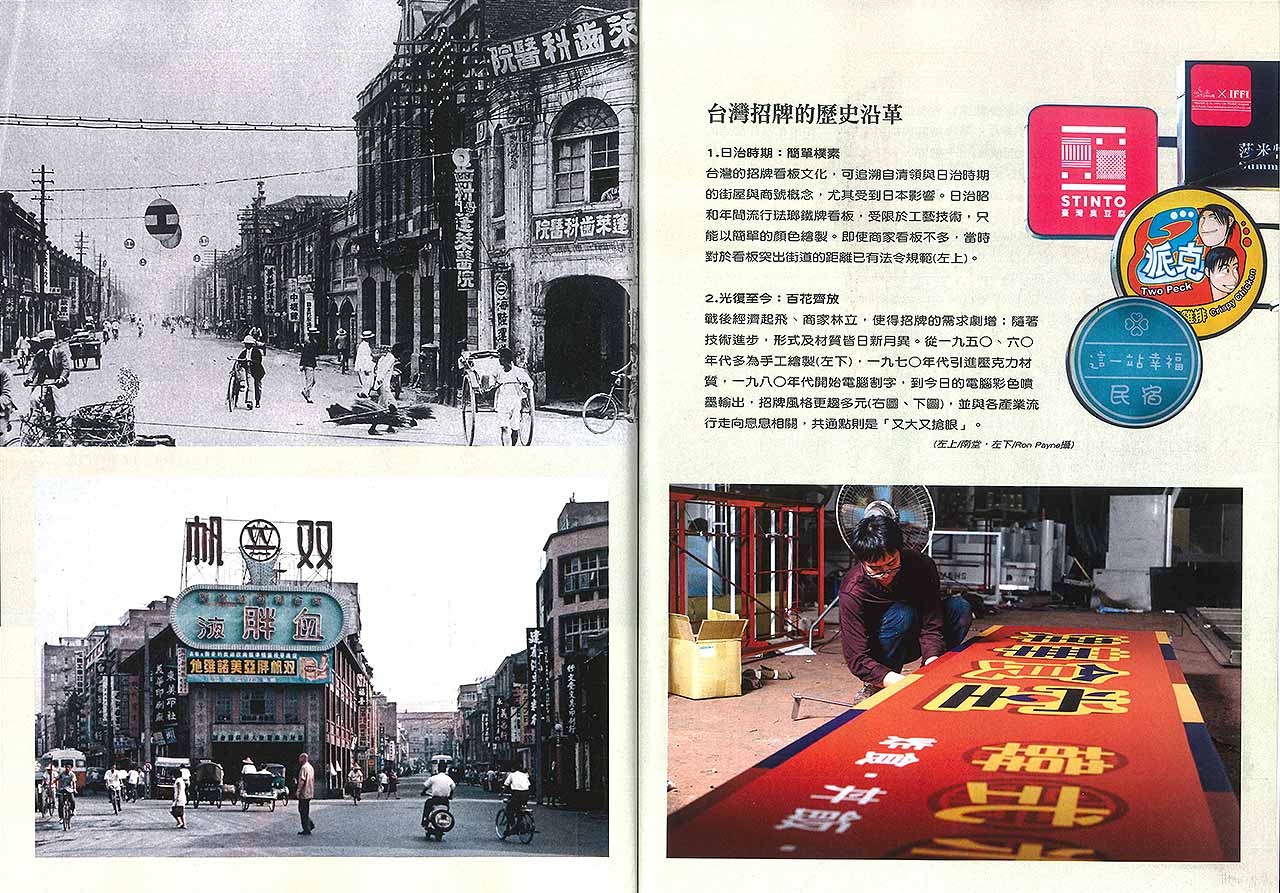
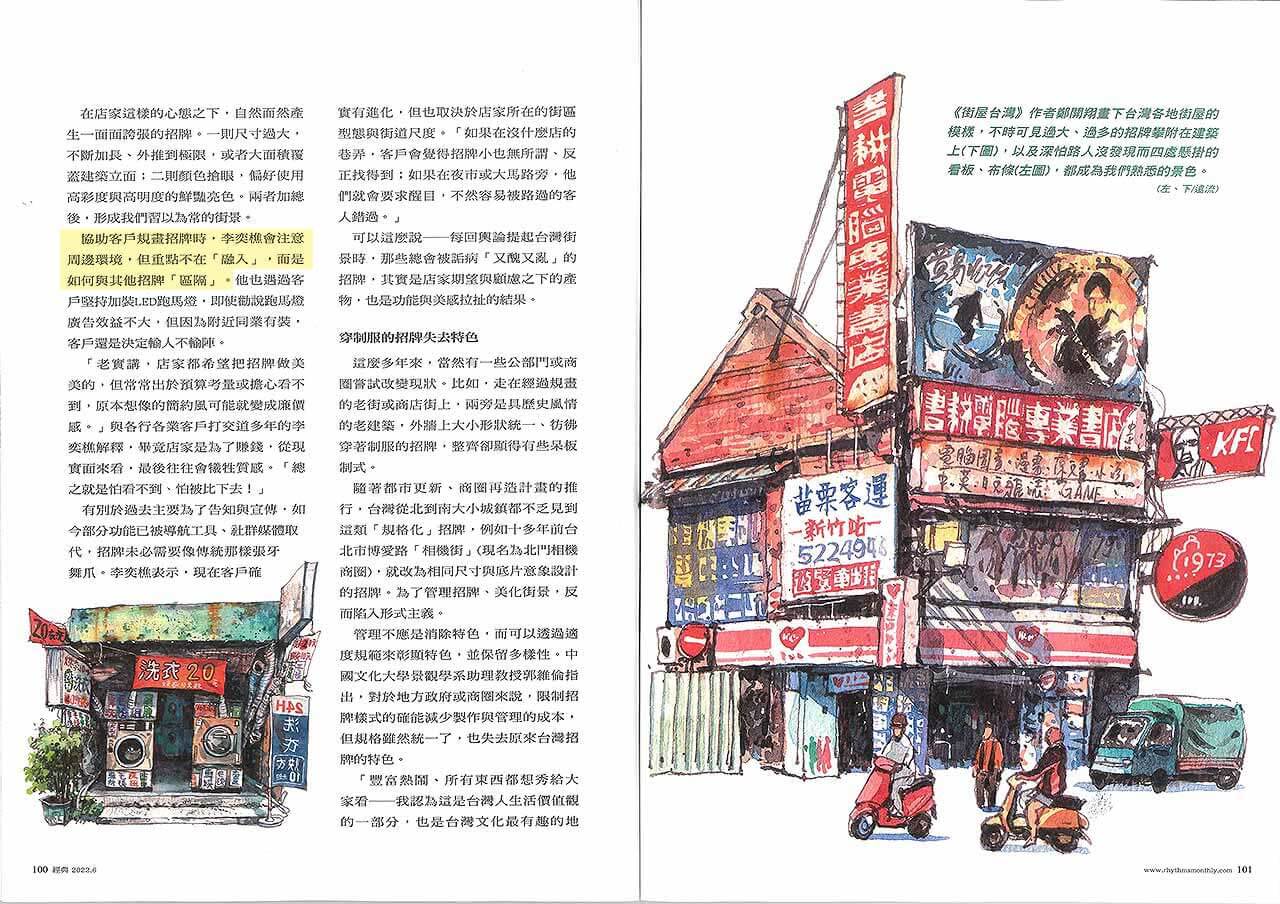
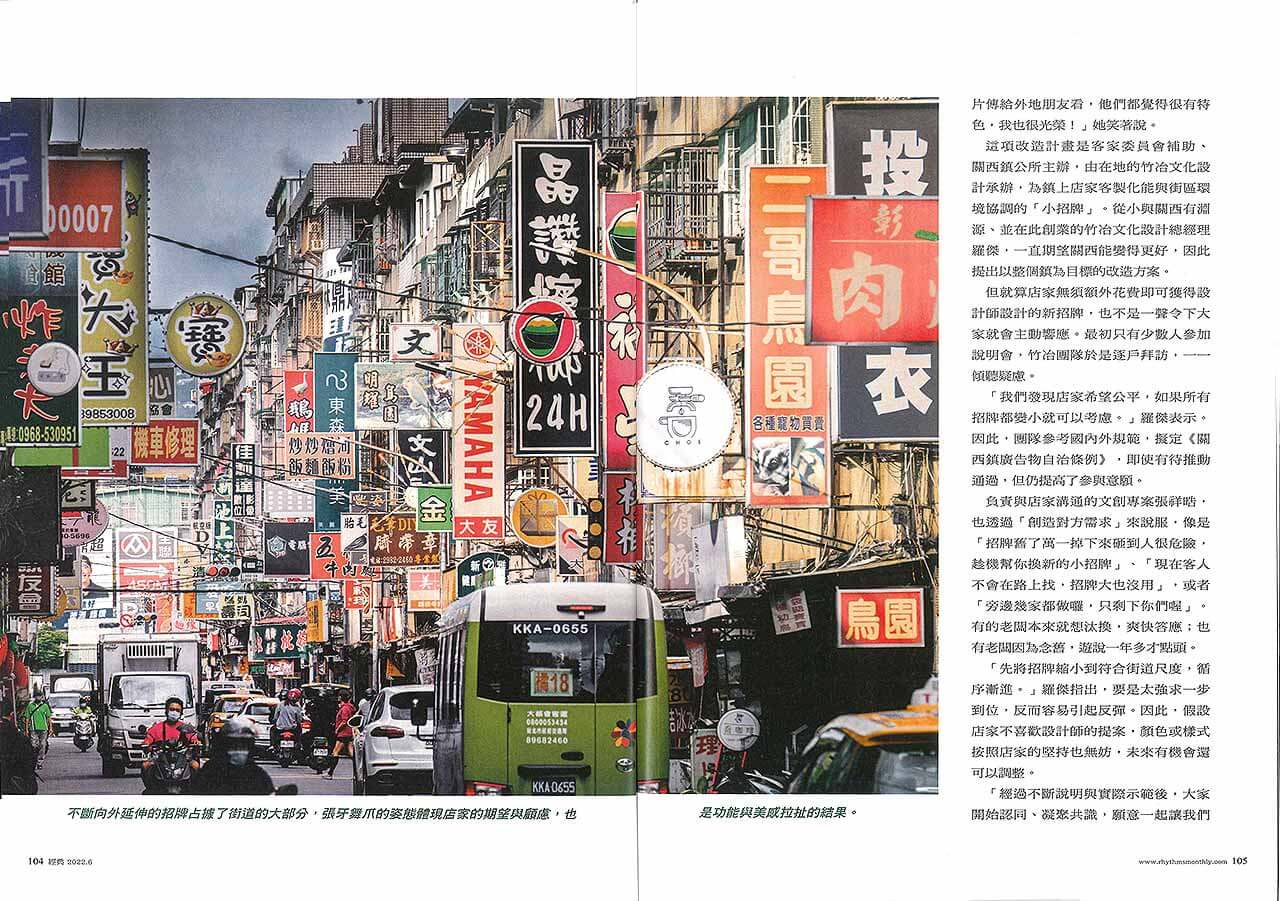
Taiwan's signboard culture can be traced back to the street houses and commercial concepts of the Qing Dynasty and the Japanese occupation period, especially influenced by Japan. After the war, with the economic takeoff, the acceleration led to the proliferation of businesses, and the demand for signboards increased day by day. Businesses are all looking for ways to maximize advertising benefits, so they are competing to set up all kinds of signs to win over passersby.The battlefield of eyeballs extends from storefronts to arcades and streets.
"For signs, most Taiwanese stores do as much as they can do, and as bright as they can." I am afraid that passers-by will not be able to see them. 」Li Yiqiao, director of Baoyi advertising design, pointed out。 Engaged in the design and production of advertising signs for nearly 20 years,Li YiqiaoOur customers include international chain brands and domestic companies of all sizes.